In an era of rapid AI integration, where digital content increasingly shapes public perception and understanding, it is essential to address the implications of AI-generated content on data privacy and information integrity. As future generations grow more reliant on digital spaces, awareness must be raised about the risks of personal data exploitation and the potential for manipulation inherent in AI-trained models. This project aims to shed light on data privacy concerns in AI-driven content, advocating for greater transparency in AI model training processes to safeguard against biased or unreliable information in the digital landscape.
Diffusion models work by starting with a noisy image and progressively removing noise in a process called "denoising," guided by patterns learned during training and a text prompt provided by the user. This experiment investigates the impact of initial noise states on the accuracy of AI diffusion model outputs, with a focus on how noise compares to the influence of prompts in shaping the final image. Starting with an original image, noise is layered onto it before being input into an AI generator alongside a consistent prompt for reconstruction. Separately, a random noise image is generated and processed with the same prompt. The outputs from these scenarios are then compared to the original image using quantitative similarity metrics. The study aims to uncover whether initial noise or prompt semantics play a more significant role in the generation process, providing insights into the robustness and dependencies of diffusion models.
Program used: ChatGPT, DEZGO AI Image Generator
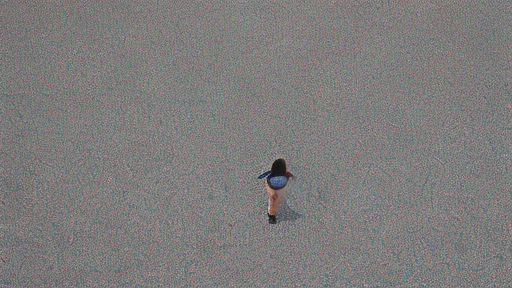
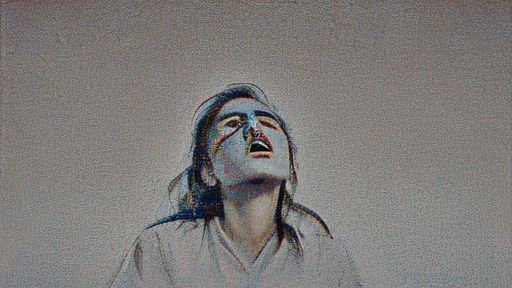
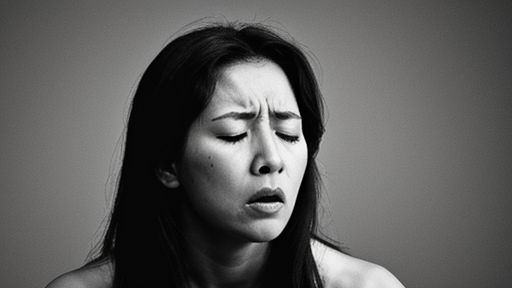
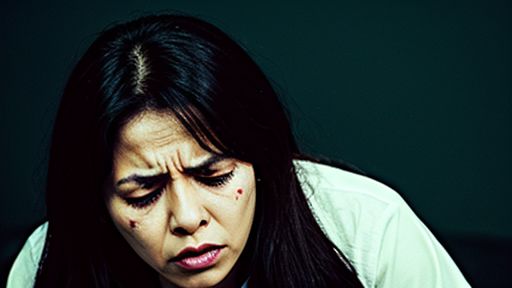
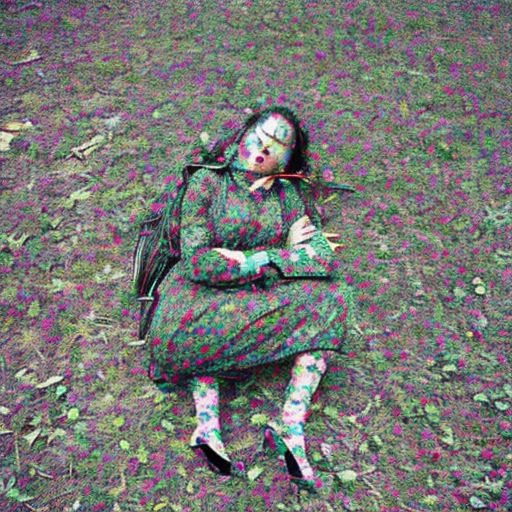
By applying the 1st set of images, I will first use a real image and apply noise on top of it before bringing it over to DEZGO AI image generator. In DEZGO AI, there will be a slider to tweak how much strength for the change to the image provided, hence for the experiment, each output will have an increment of 10% each time starting from strength 30%. The reason being that the image below 30% strength change will still appear as a noise image.

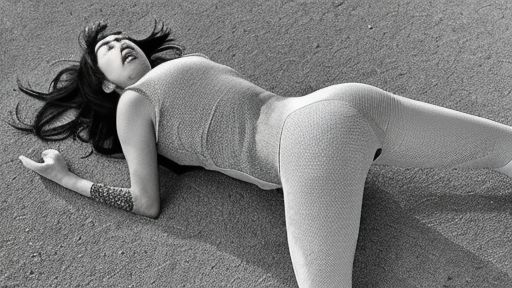
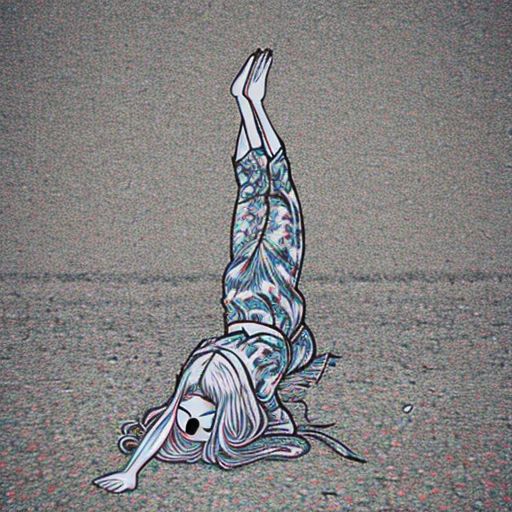
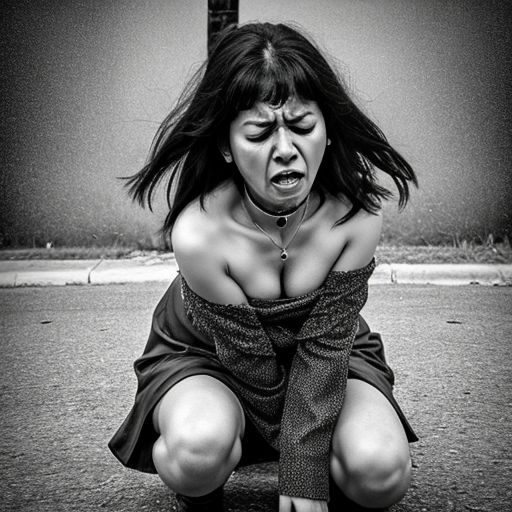
Ultimately, they look different and the problem might be of that the prompts are slightly different and but what I interpret the pictures generated from the pure noise is that it started out with a rather small figure at 45% of strength to alter the noise image, subsequently at 70%, it showed the weirdest pose and the head dislocated. The similarities that I can draw between the 2 images are that they of the same framing which is not showing any lower half of the body.
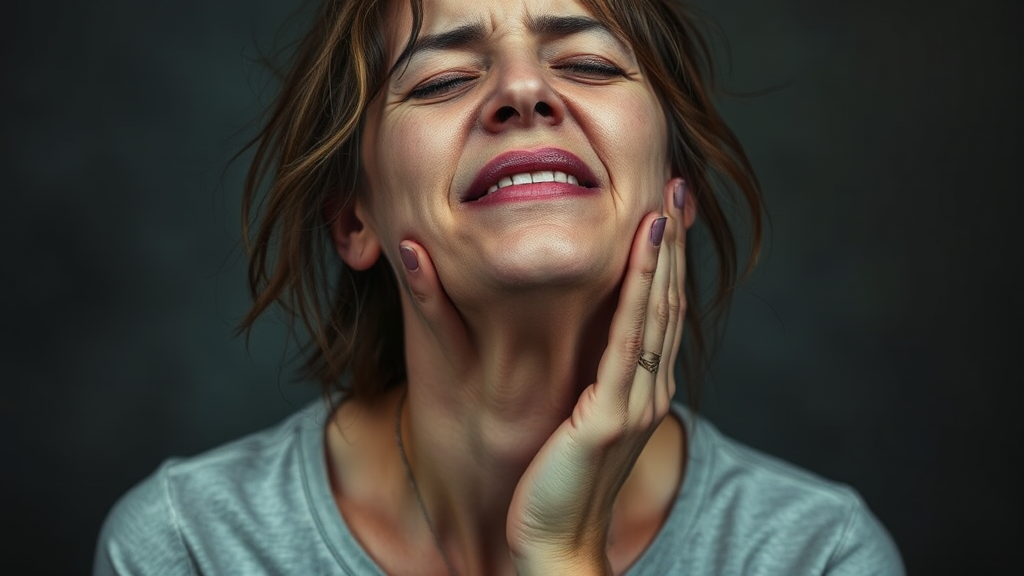
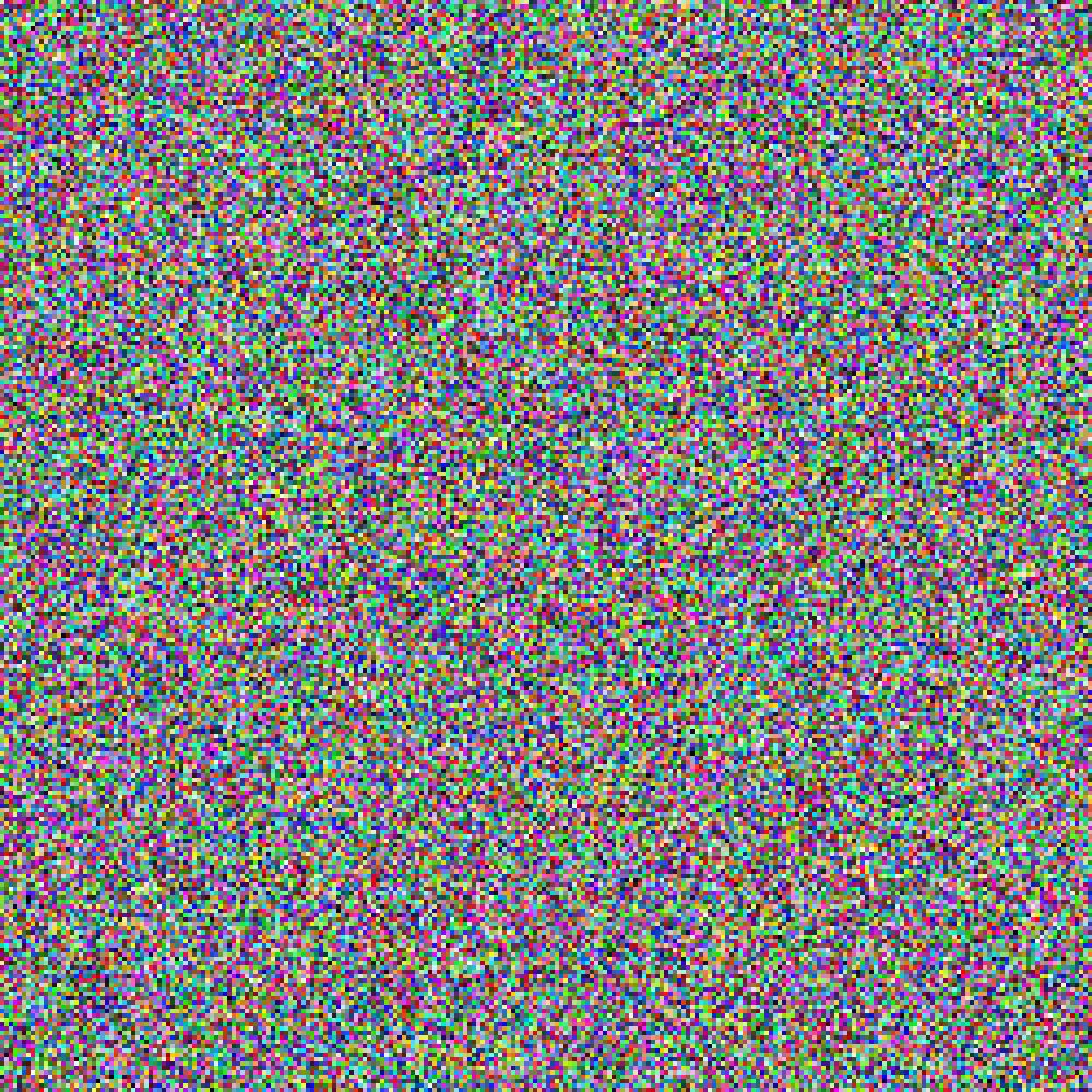
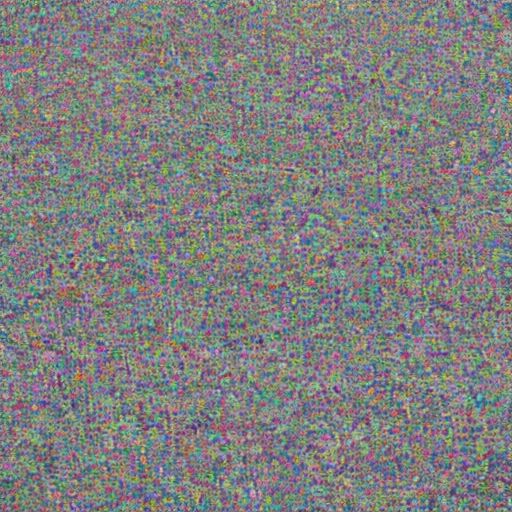
To further the experiment, I wanted to test if the original image was a random generated noise image and see if it could generate an output similar to the previous original image with the same prompt. The testing method will be the same as before, however the following images you can see that after a certain increment, it gets more explicit with the same prompt used for the previous experiment. Therefore the generated output stopped at the strenght of 80% as the content generated was NSFW.
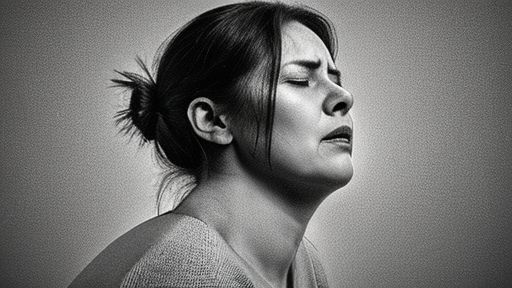
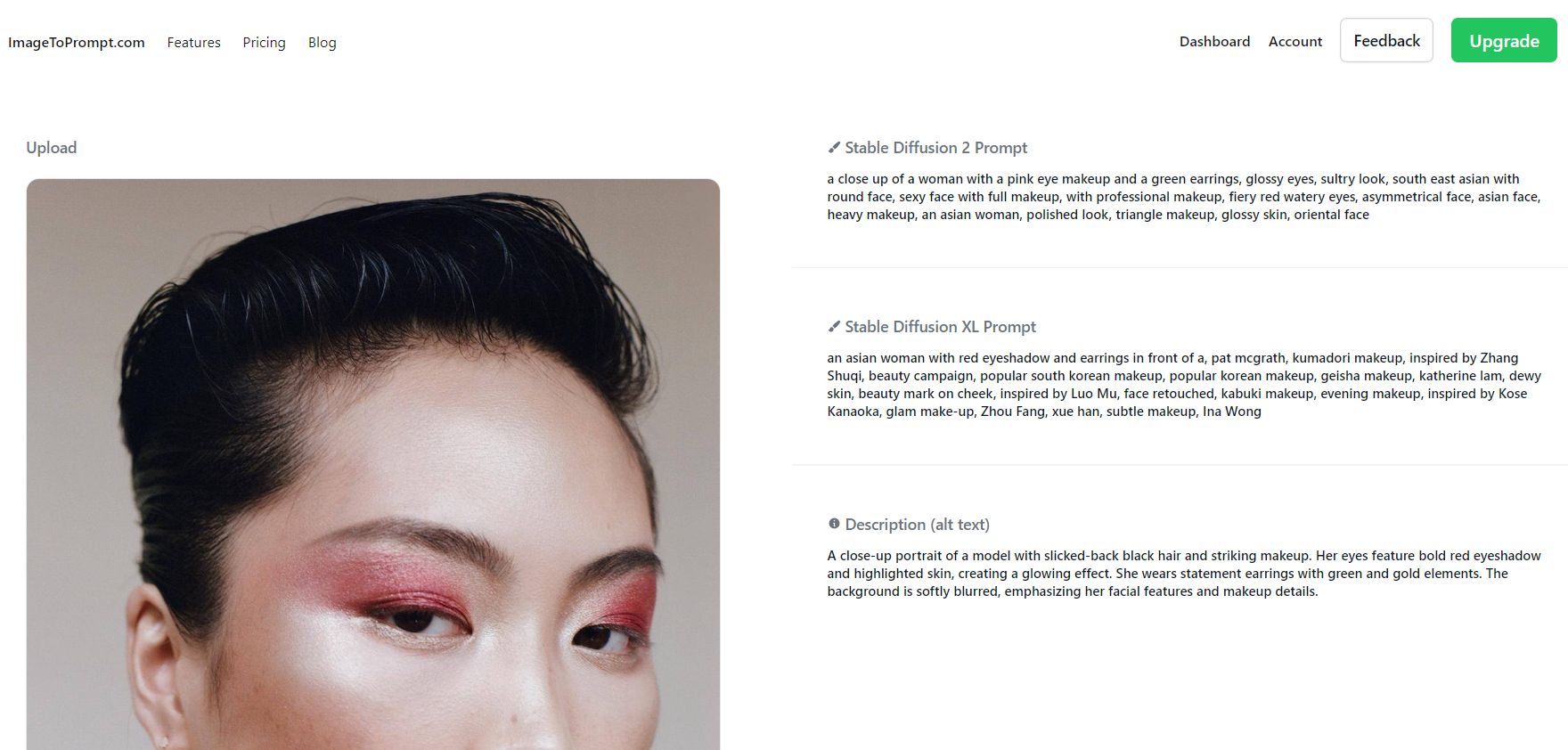
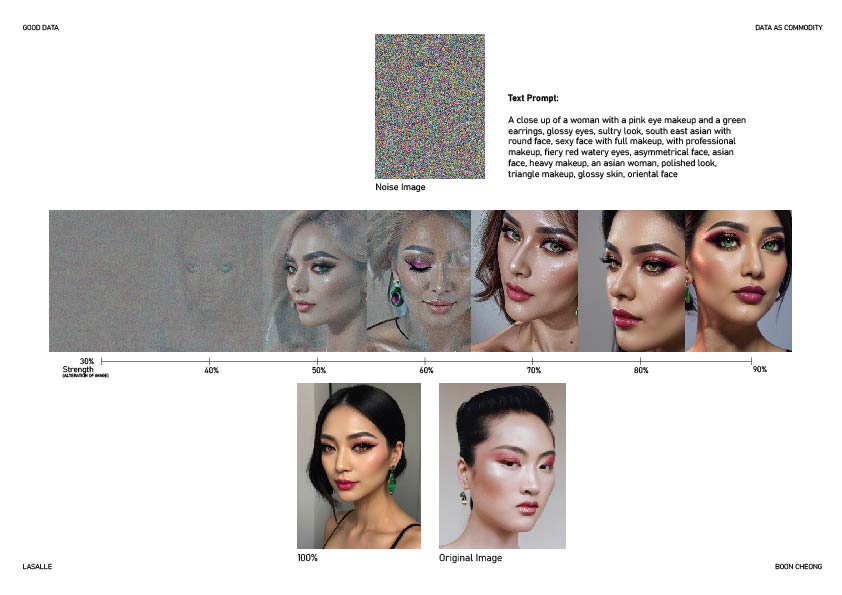
After trying 2 different ways to test to retraceability, I thought that it would make sense if the prompt used for image generation was more detailed then it would be able trace back better. With that in mind, I tried to use a more detailed prompt to see if it would make a difference in the retraceability. I had another real image of a person and I tried to use that to generate a prompt using the image to text prompt generator.
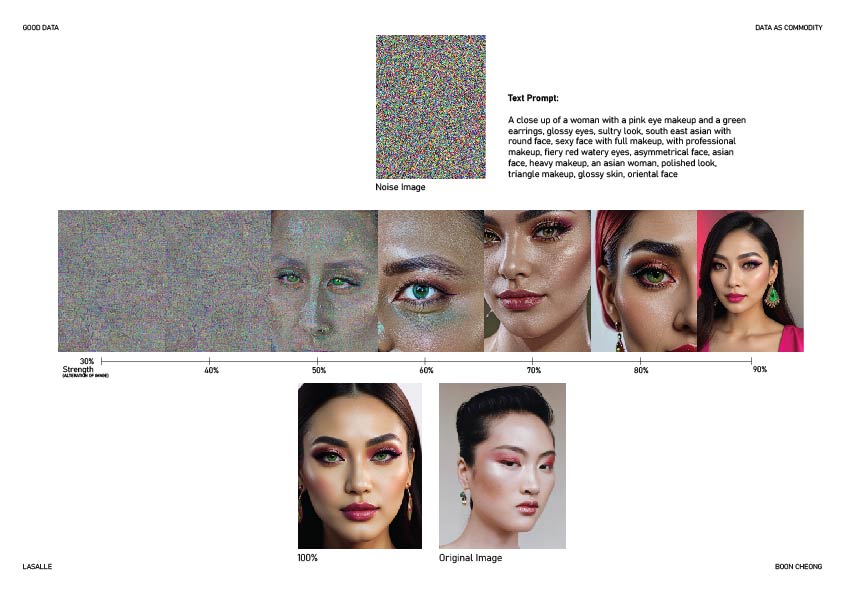
Previously, the generated noise image was of a different resolution from the original image, hence I decided to add in more "rules" for the experiment. This time, the noise image will be generated at the same resolution with the same detailed prompt to see if it affectst the accuracy of the image generator.
To summarize the results and findings from the experiment, I believe that the output generated has a stronger relation to the word prompts as compared to the noise image as the guide. Eventhough the noise acts as the guide for the machine to generate paths, it is not accurate to to conclude that images can be traced from just noise images using the AI image generators. However, this brings the attention to data classification of images and the ethical implications of labelling the data for word promtps to generate images.